Why we lean leeward.
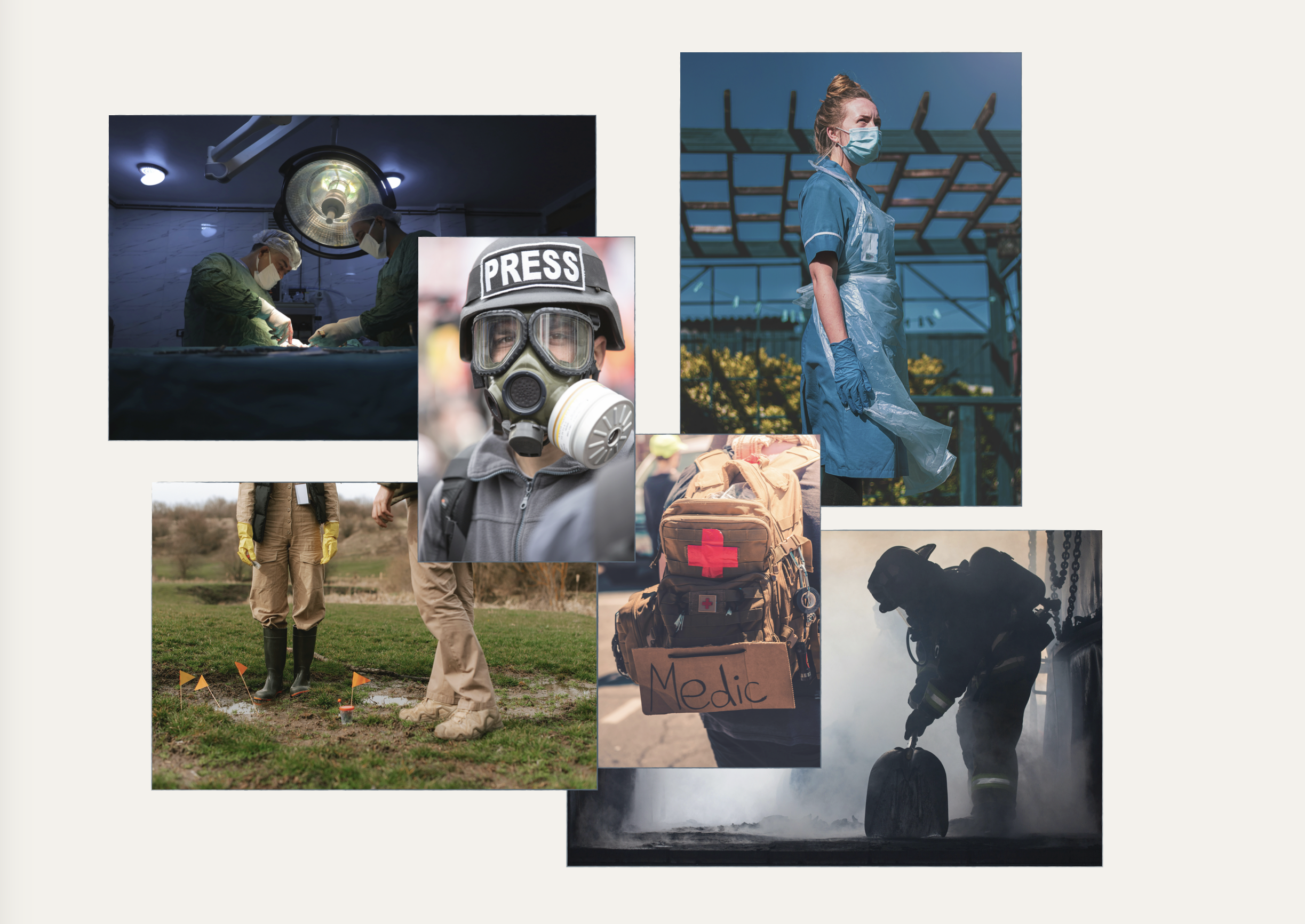
Every profession exposed to physical risk has its gear - the gloves, the helmets, the masks, and the vests. But for those exposed to emotional, mental, and moral risks, safeguards are often invisible or absent.
Leeward is committed to a working world where mental and emotional hazards are as protected as physical ones. Where mitigative and protective practices for those in trauma-exposed professions are as common as hand sanitizer in hospitals and breathing masks for firefighters.
Through evidence-based tools and strategies, Leeward equips both individuals and organizations with practical protocols that reduce harm and restore capacity - so professionals are protected and missions move forward.
Who leads Leeward.
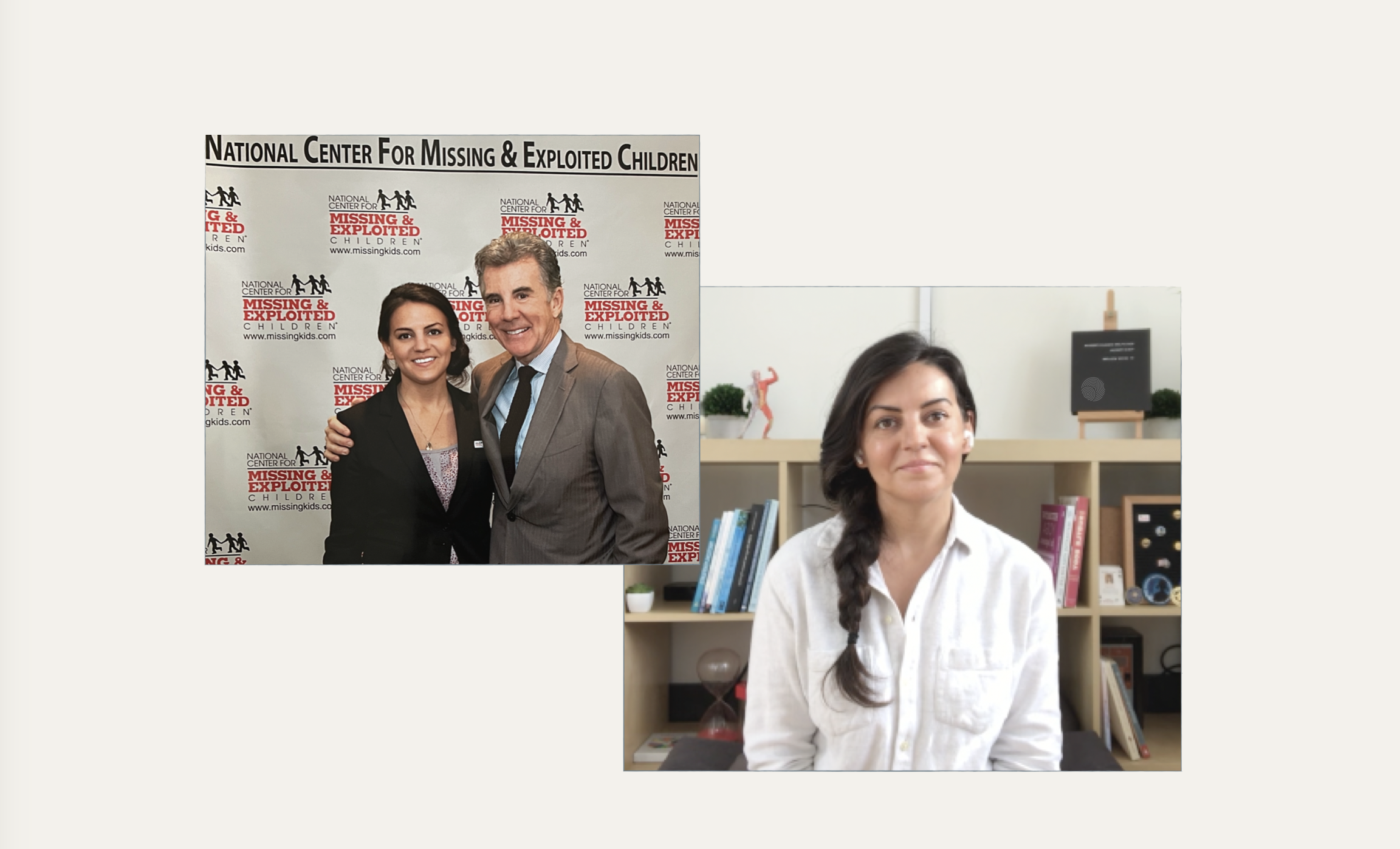
Marisa Gitchel - Founder & Director, Leeward
Leeward is the resource that Marisa wished existed during her career at the National Center for Missing & Exploited Children, where she worked as an analyst investigating the nation’s worst crimes against children cases. She was inside the evidence, the case files, the suffering - every day, with precision, purpose, and little protection.
This work didn’t come with a manual for what it costs the person doing it. When she sought one out, she realized it didn’t exist and decided to build her own, applying the framework she knew: investigate the problem with rigor, analyze the evidence without bias, and build from what is actually true.

How we lean leeward.
The term leeward comes from the language of storms and sailors. It means the sheltered side - the spaces protected from the harshest weather. Its opposite, the windward side, is exposed to the full force of every storm’s gust.
Helping professionals spend their days on that windward edge, exposed to the storms of society’s suffering and crises. Exposure to the windward side can wear on a person, especially without the protective shelter of the leeward side.
At Leeward, we serve those who spend their professions on the stormy side of humanity - helpers, caregivers, and frontline workers who face the elements of suffering, injustice, and need. Leeward exists to ensure that these professional windward storms have a counterbalance.
Leeward is governed by the principles of investigative analysis, guided by the founder’s career.
Follow the evidence, not the assumption - Leeward’s tools are grounded in peer-reviewed research.
Corroborate before concluding - Leeward was not shaped from a single source. Findings were cross-referenced across disciplines until the pattern was clear and the foundation was solid.
Distinguish fact from inference - Leeward is transparent about what is known, what is emerging, and what remains uncertain.
Document - Leeward names the occupational hazards that helping professionals face because naming them is the first step to addressing them.
Be precise - In investigative work, rigor isn’t optional. Neither is it here. The stakes are too high to get it wrong. Getting it right is how people actually get protected.